Scheduling Strategy
When I Work vs. ZoomShift (2026): Which fits your team?

If you’re searching for the ZoomShift login or comparing ZoomShift pricing, you’re likely trying to solve a specific problem—your current scheduling system is taking up more time than it should.
Looking for the ZoomShift login page? You can access it directly at zoomshift.com. If you’re comparing platforms to decide which scheduling system better supports your team, this guide outlines the key operational differences.
ZoomShift offers a free plan for up to 20 users, making it a practical starting point for smaller teams. However, some features that reduce manual scheduling work, such as auto-scheduling and expanded labor controls, are reserved for higher-tier plans.
In the When I Work vs ZoomShift comparison, the real question is simple. Are you looking for a basic scheduling tool, or a system that includes automation, labor visibility, and accountability tools from the start?
The When I Work vs. ZoomShift decision framework
Choosing between scheduling tools can be difficult when both platforms appear similar at first glance. The difference often comes down to how much manual oversight is required and whether key automation and accountability tools are included or reserved for higher tiers.
| ZoomShift | When I Work | |
| Best for | Small teams looking for a free starting point | Owners and managers who want built-in automation and labor visibility |
| Free tier | Free up to 20 users (limited features) | 14-day full access trial |
| Scheduling | Manual templates (auto-scheduling on Premium tier) | Rule-based auto-scheduling included |
| Time tracking | GPS geofencing (Premium only) | GPS and optional photo identity verification |
| Accountability | Early clock-in controls (Premium tier) | Early clock-in controls included |
| Integrations | ADP, QuickBooks, Xero, Square | ADP, Gusto, Rippling, Quickbooks, and more |
When ZoomShift makes more sense
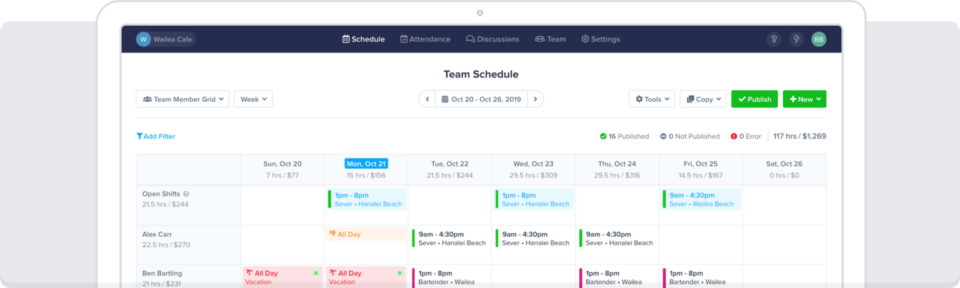
ZoomShift makes sense if your primary goal is replacing paper schedules with a simple digital tool and keeping costs as low as possible. For teams under 20 employees that are comfortable building schedules manually and don’t require built-in automation or identity verification, the free Essentials plan can handle basic shift planning.
But if you’re evaluating ZoomShift alternatives because manual adjustments, overtime tracking, or accountability gaps are becoming time-consuming, it may be worth looking at a platform that includes automation and labor visibility from the start.
When manual scheduling starts creating issues
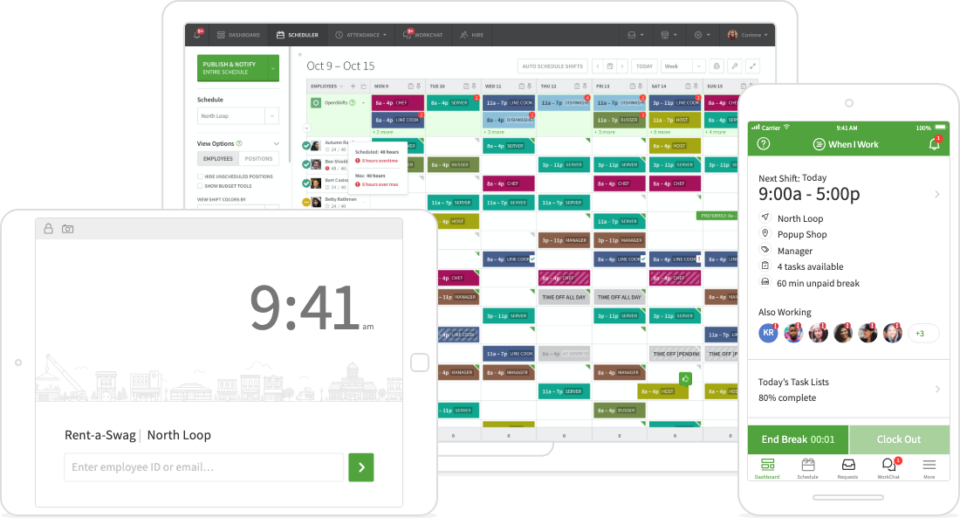
ZoomShift works well when scheduling is simple and predictable. But as scheduling demands increase, whether from shift swaps, overtime risk, or last-minute call-outs, manual template-based scheduling can require more oversight than expected.
Most managers don’t adopt scheduling software because they enjoy technology, but because building and adjusting schedules shouldn’t consume an entire evening each week.
Challenges often show up when:
- Overtime visibility comes too late. If labor cost alerts aren’t visible while building the schedule, managers may only notice the impact after payroll runs.
- Early clock-ins add up. Without clear clock-in controls, small increments of early punches can increase labor costs over time.
- Cross-location coordination becomes manual. Managing staff across multiple departments or locations through texts and spreadsheets increases the risk of double-booking and missed coverage.
Related Reading: Sling vs. When I Work: Why Teams Switch To When I Work
Administrative control: Who owns the schedule?
As scheduling responsibilities expand beyond a single manager, permission controls become important. In many businesses, scheduling may start with one owner or general manager. But when assistant managers or payroll administrators are involved, clarity around access and approval rights matters.
ZoomShift offers user roles, but permission flexibility can feel limited depending on how responsibilities are divided. Some teams report difficulty balancing visibility with administrative control across multiple managers.
When I Work supports layered administrative roles, allowing owners, managers, and payroll admins to collaborate without giving full account access to every user. Clear role definitions help maintain oversight while distributing scheduling responsibilities appropriately.
Automation access: Included or premium?
ZoomShift offers auto-scheduling on its Premium plan ($4.00 per user). On lower tiers, scheduling remains largely template-based and manual. That means managers are still responsible for reviewing availability conflicts, shift overlaps, and qualification requirements before publishing a schedule.
For teams evaluating ZoomShift alternatives, the question is whether automation should be a premium add-on or part of the standard scheduling experience.
ZoomShift: Automation as a luxury
ZoomShift’s Essentials plan (free for up to 20 users) provides basic scheduling and communication tools. The Starter plan ($2.00 per active team member per month) adds unlimited users and locations, time tracking, availability management, and shift templates.
However, features such as auto-scheduling, overtime warnings, geofenced time clocks, and early or late clock-in controls are reserved for the Premium tier ($4.00 per active team member per month).
For teams evaluating automation specifically, those capabilities are tied to the highest plan level.
When I Work: Automation as a standard
When I Work includes rule-based auto-scheduling on all plans, helping managers spend less time building and adjusting schedules each week. By setting availability rules, maximum hours, and role requirements upfront, teams can generate schedules that require fewer manual corrections.
Instead of reviewing every shift conflict by hand, managers can rely on built-in rules to flag issues before the schedule is published. That means less time resolving availability gaps, fewer last-minute changes, and fewer payroll surprises.
- Overtime and labor visibility—While building the schedule, managers can see projected labor costs and overtime risks in real time. That helps prevent accidental overtime before shifts are worked, not after payroll runs.
- Clock-in accountability—GPS tracking and optional photo verification strengthen time tracking accuracy, helping reduce buddy punching and protecting payroll spend.
For teams comparing ZoomShift alternatives, the difference is that automation actively reduces scheduling time, protects labor budgets, and prevents issues week after week.
Time tracking and paying for accountability
One of the clearer differences in ZoomShift pricing is how certain clock-in controls are tied to the Premium tier.
Clock-in controls on Premium
On ZoomShift, features such as geofenced time clocks and early clock-in prevention are only available on the Premium plan. For teams managing hourly staff, those controls can play a meaningful role in limiting unauthorized early punches and preventing unnecessary overtime.
When those safeguards aren’t active, even small increments of early clock-ins can add up across a full schedule.
Identity-verified attendance
When I Work includes GPS tracking and early clock-in controls on all of its plans. The app also offers optional photo verification at clock-in, allowing managers to confirm who is starting a shift.
For teams concerned about buddy punching or time theft, identity verification adds another layer of accountability beyond location tracking alone, helping protect payroll accuracy.
Related Reading: Comparing Homebase vs When I Work In 2026
What do ZoomShift reviews say?
ZoomShift reviews frequently highlight the platform’s affordability and ease of use for manual scheduling needs. Many users describe it as good value when replacing paper schedules or managing smaller teams.
Some reviews also mention that while the free tier works well for simple use cases, upgrading to Premium in order to access essential features such as auto-scheduling or overtime alerts can feel like a significant jump in price for tools that directly impact daily scheduling efficiency.
Another recurring theme in user feedback relates to administrative permissions and role flexibility. As scheduling responsibilities expand beyond a single manager, clarity around access and control can become more important.
How costs and workload change over time
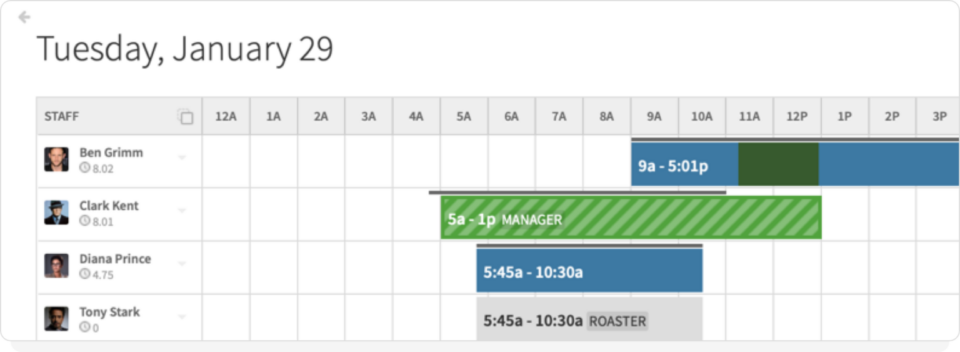
A free tool can feel inexpensive at first. But what happens when you add more employees or operate at higher staffing levels during peak periods? Not all businesses maintain the same headcount year-round. Event venues, tourism businesses, wedding companies, and seasonal operations often increase staff for busy months and reduce during slower periods.
When I Work allows teams to adjust active users as staffing levels change. Whether you’re operating at full capacity for part of the year or managing a smaller off-season team, employee scheduling should adapt without becoming administratively heavy.
- How does pricing change? On ZoomShift, features such as auto-scheduling, overtime warnings, and geofenced time clocks are available on the Premium plan ($4.00 per active team member per month). For teams that rely on those controls, upgrading becomes part of the cost structure.
- How does workload change? Without built-in automation, adding more staff typically means more time reviewing availability conflicts, monitoring overtime exposure, and adjusting shifts manually. With rule-based auto-scheduling, managers can reduce the time spent building and correcting schedules.
The Friday afternoon scramble
Imagine it’s Friday at 4pm. One staff member calls in sick. Another is about to hit overtime, and payroll closes Monday morning.
With manual scheduling, you’re juggling text messages, checking old spreadsheets for availability, and manually exporting data.
With When I Work, the system shows you qualified replacements instantly, flags the cost impact before you publish, and alerts the employee through WorkChat.
Related Reading: Connecteam vs When I Work: Which Is Best For Your Team In 2026?
Industry fit, where each platform thrives
Choosing between scheduling platforms is less about checking features and more about how you want to manage shifts, accountability, and labor costs.
- ZoomShift works well for teams that prioritize budget and simplicity. It’s a practical fit for single-location businesses where scheduling remains relatively stable and manual templates are sufficient.
- When I Work works well for teams that want built-in automation, overtime visibility, and stronger clock-in controls included on all plans. It’s a good fit for operations that manage shift changes, qualification requirements, or multiple managers involved in scheduling.
When a tool becomes a ceiling
For many managers, the real cost of scheduling software isn’t the subscription price, but the time spent correcting issues manually.
Managers often notice strain when:
- Manual work becomes a full-time job. Reviewing availability, checking qualifications, and coordinating coverage through texts or side conversations creates unnecessary back-and-forth and increases the risk of coverage gaps.
- Compliance risk increases. Without rule-based automation, a manager is the only line of defense against labor law violations or unauthorized overtime. That adds pressure during schedule build time.
- Buddy punching drains the budget. GPS alone is often insufficient for high-turnover teams. When I Work provides photo identity verification as a standard feature to ensure that the right person is actually on the floor.
Final verdict. Which fits your business?
- Choose ZoomShift if you need a straightforward scheduling tool with a free entry point and your scheduling needs are relatively simple.
- Choose When I Work if you want automation, overtime visibility, identity verification, and payroll-ready reporting included on all plans. It’s designed for managers who want to reduce manual scheduling time, protect labor budgets, and keep accountability strong without upgrading just to access core tools.
Frequently asked questions
Choosing a new scheduling platform often comes down to the fine print regarding automation, costs, and data accuracy. To help you evaluate your options, we’ve answered common questions about ZoomShift pricing, scheduling capabilities, and how different plan tiers affect daily operations.
Does ZoomShift offer a free trial?
Yes, ZoomShift offers a 14-day free trial of its paid plans. It also provides a free tier for teams with up to 20 users. The free plan includes basic manual scheduling and team communication tools, while time tracking and automation features are available on paid tiers.
How hard is it to switch from ZoomShift to When I Work?
Migration is straightforward. Most teams export their employee and schedule data from ZoomShift as a CSV file and import it directly into the When I Work app. From there, managers can configure roles, availability rules, and scheduling settings before publishing their first week.
Many teams are able to complete setup and publish their first auto-scheduled schedule within a single afternoon, depending on team size and complexity.
Does When I Work integrate with my existing payroll?
Yes. When I Work offers direct payroll integrations with providers such as ADP, Gusto, and our preferred payroll partner, Rippling, allowing approved timesheet data to sync automatically into payroll.
While some scheduling tools like ZoomShift rely primarily on CSV exports, direct integrations reduce the need for manual file transfers and minimize the risk of data entry errors. For managers running payroll every week or every two weeks, that automation can save meaningful administrative time and help ensure hours are accurate before payroll is processed.
Why is my search for “zoom shift” bringing me here?
“Zoom shift” is a common brand misspelling for ZoomShift. Whether you’re searching for the official platform or looking for ZoomShift alternatives that offer better scalability for restaurants or manufacturing, this guide clarifies the differences in feature sets and pricing.
Why should I switch from ZoomShift to When I Work?
Most teams switch when they need to automate complex shift rotations and ensure payroll protection with greater accountability. When I Work includes auto-scheduling and optional photo identity verification, helping managers reduce manual corrections and strengthen clock-in accountability. Together, these tools support more accurate schedules, clearer oversight, and fewer time tracking discrepancies.
Disclaimer: ZoomShift feature and pricing information is based on publicly available documentation and user reviews from sources such as G2 and Capterra (accessed February 2026). This comparison is based on publicly available information and product documentation at the time of writing. Features, pricing, and functionality may change over time. While we aim to present accurate and up-to-date information, we recommend reviewing each provider’s official website for the most current details.